
29 & 30 OCTOBER 2026 SWISS SYMPOSIUM IN
POINT-OF-CARE DIAGNOSTICS
Osttor | Winterthur | Switzerland
Keynotes
The keynote speakers of the Swiss Symposium for Point-of-Care Diagnostics 2026 bring unique perspectives from environments where rapid decisions, reliable information, and robust technologies are essential.
Whether in remote regions, extreme climates, emergency situations, or resource-limited settings, their experiences demonstrate how diagnostic solutions can support and save people when conventional laboratory infrastructures are unavailable or inaccessible.
Through inspiring stories, practical insights, and interdisciplinary perspectives, our keynote speakers will explore the challenges of delivering reliable diagnostics where it matters most, highlighting resilience, innovation, human performance, and the critical role of point-of-care technologies in demanding environments.
Their presentations are designed to broaden horizons, stimulate new ideas, and inspire discussion far beyond traditional laboratory and clinical settings.
Alban Michon
Explorer, Polar Diver, Expedition Leader
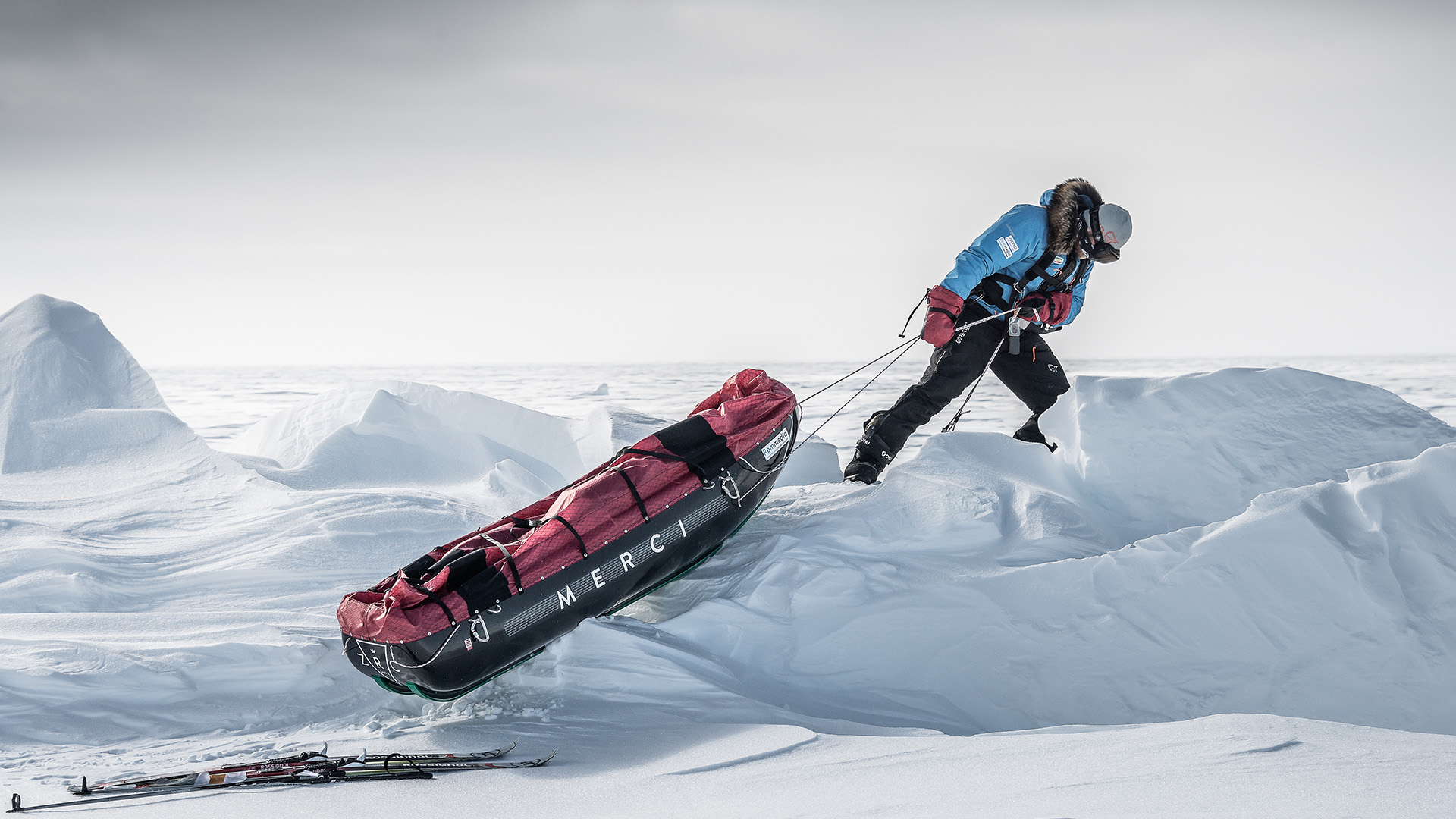
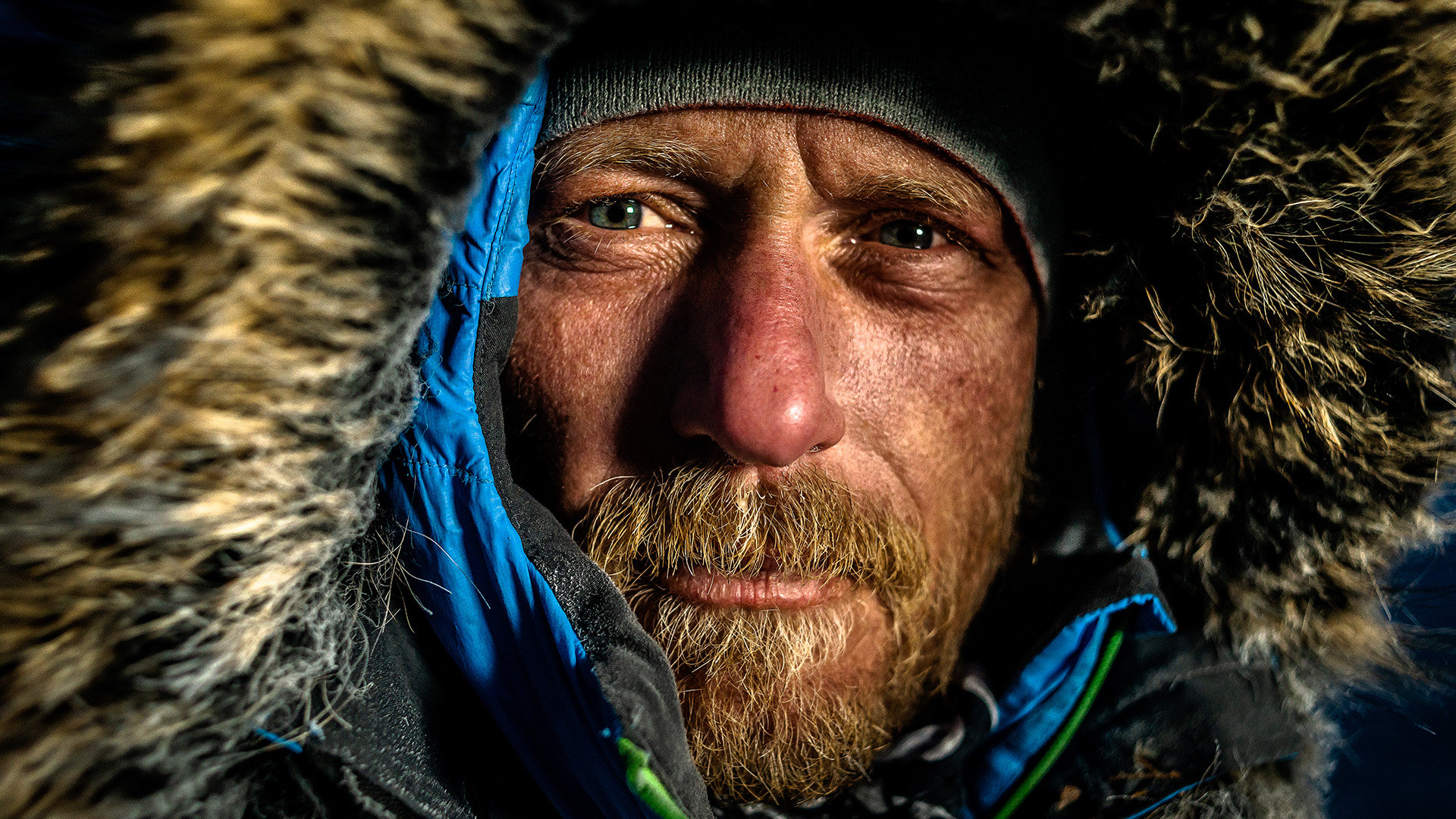
Alban Michon is a renowned French explorer, polar diver, and expedition leader who has spent decades operating in some of the world’s most extreme and unforgiving environments.
Drawing on his experiences beneath Arctic ice and during expeditions in remote regions, Alban will share compelling insights into resilience, risk management, human performance, and the importance of reliable technologies when operating far from conventional support systems. His keynote offers a fascinating perspective on the challenges faced by point-of-care diagnostics, where accurate information and dependable tools can be critical for decision-making under demanding conditions.

More keynote speakers will be announced soon
We are currently assembling an exciting line-up of speakers from healthcare, emergency medicine, research, technology, industry, and extreme-environment operations who will share their perspectives on diagnostics beyond the traditional laboratory setting.
